

God the Reckless Gardener


July 15, 2026
by
Rachel Esser (she/her)
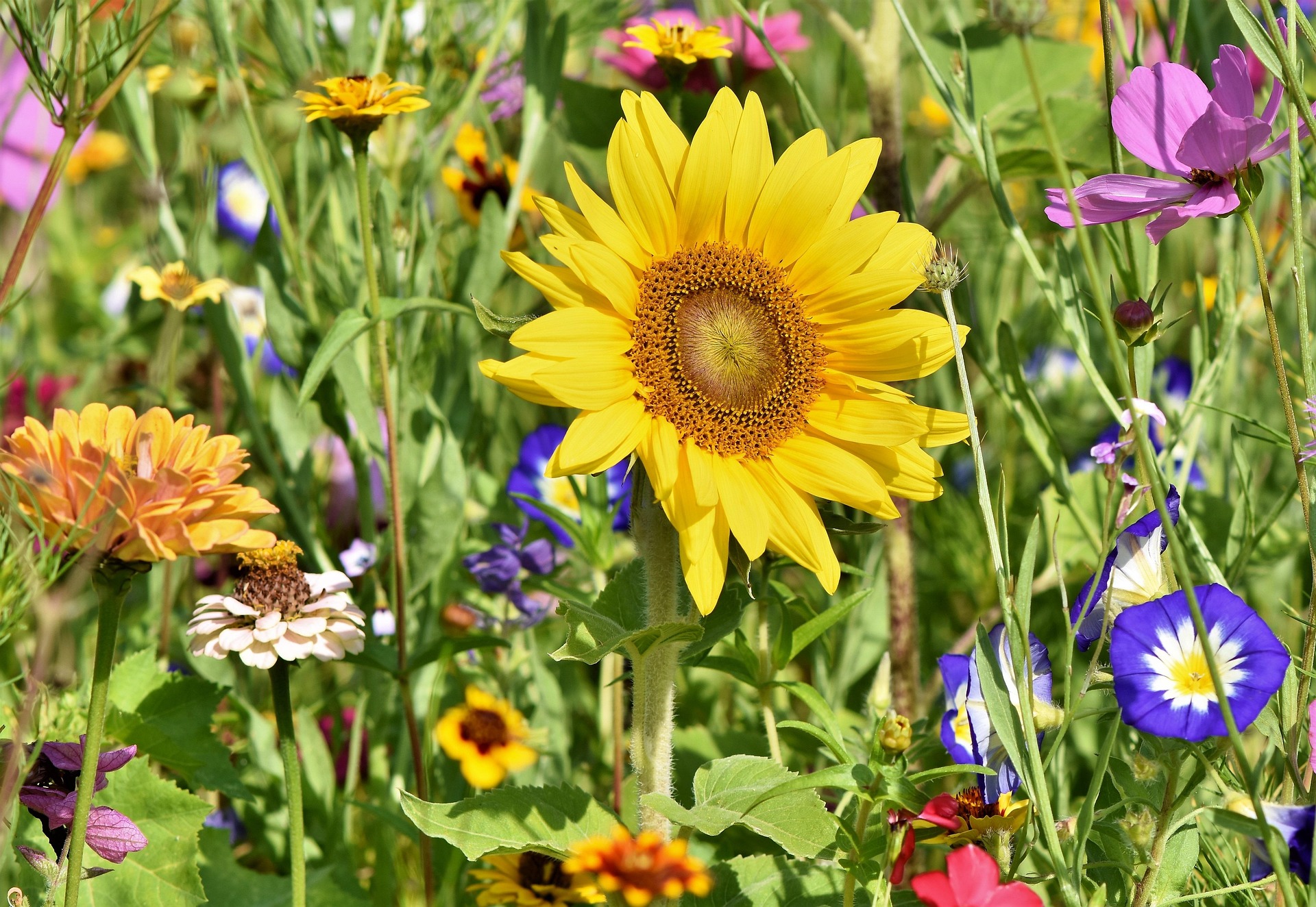
God gives the weeds a chance to grow into something beautiful. Today’s reflection reminds us that we are called to get our hands dirty and sow goodness in the world.
July 19, 2026: Sixteenth Sunday in Ordinary Time, Year A
Wisdom 12:13, 16–19
Psalm 86:5–6, 9–10, 15–16
Romans 8:26–27
Matthew 13:24–43
God the Reckless Gardener
A reflection by Rachel Esser
Today’s gospel reading continues the series of parables told in Matthew’s gospel and is one of only a few parables that are explained. While this should make my job in this reflection quite easy, I unfortunately don’t find Jesus’s explanation particularly satisfying.
In the gospel, Jesus tells the parable of the weeds among the wheat, in which a man sows his field with good seed only for his enemy to sneak over at night and sow weeds into it. Rather than uproot the weeds, he instructs his servants to wait until harvest time to separate them. Upon questioning from His disciples, Jesus explains the parable this way:
"He who sows good seed is the Son of Man, the field is the world, the good seed the children of the kingdom. The weeds are the children of the evil One, and the enemy who sows them is the devil. The harvest is the end of the age, and the harvesters are angels.” (Matthew 13:37–39)
Jesus then further explains that at this eschatological harvest, those determined to be evil will be sent to burn while the righteous “shine like the sun.” It feels wrong to disagree with Jesus on the explanation of His own parable, but I struggle to see the all-loving, merciful God we hear about in so many other passages in this vindictive God. Even our first reading today describes God as a good judge, who judges “with clemency and much lenience,” who gives “good ground for hope,” and “permit(s) repentance for their sins” (Wisdom 12:18–19). I want everyone to have relief from sin and suffering in Heaven, but I take no joy in the idea that sinners will burn, even if God gives them multiple chances beforehand. The concept of Hell has never sat well with me. Pope Francis said “I like to think of Hell as empty,” and I’m inclined to agree.
Accountability is important. Apologies, reconciliation, and changes to behavior are important. But so is mercy. We as human beings cannot give those who cause us or our communities harm infinite chances. That is neither healthy nor sustainable, and it is not what we are called to do. We are called to work towards forgiveness, but sometimes we have to make the difficult decision to step away from those people or communities that hurt us and forgive from a distance. Often, this is easier said than done, but we are simply not capable of the infinite love and mercy of God. We can get hurt.
This does not mean that we are free to judge, however. No one is born evil. As Catholics, we believe in the inherent goodness and dignity of the human person. It is not our place to say who is wheat and who is a weed. We can sow good seed and tend to our fields as best we can, caring for ourselves and others. We can form our own consciences and try to encourage others towards goodness as well. We cannot stand idly by sulking, blaming the enemy while doing nothing. But we also cannot claim to know who is good and who is evil either.
Only God knows the hearts of Their children. If we try to uproot those whom we think are evil, we may uproot someone good instead. Uprooting someone may prevent further evil, but it also prevents the opportunity for goodness to grow. Sometimes people surprise us. People are complicated, and none of us are perfect. But sometimes, there are just weeds. We find them where we least expect them – possibly even after we thought we got rid of them – and they force us to leave some things that are out of our control in God’s hands.
I think it’s important to note that the crop in this parable still bore fruit despite the presence of weeds. The presence of evil does not negate the presence of good. Goodness can – and often does – persist in equally shocking and surprising ways. I’m not sure how true this is for actual gardens, especially considering the number of times I have helped my mom yank vines out of our garden so they don’t strangle the flowers or the air conditioner or the siding (some weeds are stubborn!). I can only imagine the horror on the faces of the farmers in the crowd listening to Jesus the Carpenter. It may be illogical, but so is the love of God. God’s infinite, agape love does not abide by any human measure of reciprocity or justice. God’s love turns the other cheek and allows for repentance over and over again.
I’m still not comforted by the picture of “the children of the evil one” burning at the end of the age while the righteous go on peacefully. But I do like to think of God as a reckless gardener, giving weeds the chance to grow into something beautiful while still lovingly tending to Their crops and ensuring that they are still able to be fruitful. Perhaps we can’t understand God’s reasoning for allowing weeds to flourish. But that doesn’t mean we have to twiddle our thumbs until the end of time. We can still put in the work, get our hands dirty, and tend to our fields, sowing goodness where we can as much as we can, trusting that good fruit will come of it.

Rachel Esser (she/her) is a St. Louis, Missouri native currently working towards her Master of Divinity at Boston College. She joined DignityUSA in 2024 and loves being a part of the Young Adult Caucus. She hopes to continue the work already being done for LGBTQ+ advocacy and inclusion in the church through her own call to ministry.

.svg)


.svg)
