🌈 Donate to DignityUSA's Advent Appeal | Give Now


Called by Name



October 15, 2026
by
Marianne Duddy-Burke (she/her)
On Wednesday, we shared a special Breath of the Spirit reflection by Lori Ranner for the Feast of St. Luke. Below is the reflection for this Sunday’s readings.
This Sunday's readings affirm the empowerment of LGBTQIA + persons, their allies and anyone yearning to worship God in spirit and truth. Isaiah and Matthew remind us that God’s authority outweighs every human power—no government, institution or decree can eclipse the Divine Will that calls us by name and gives us strength.
October 18, 2026: Twenty-Ninth Sunday in Ordinary Time, Year A
Isaiah 45:1, 4–6
Psalm 96:1, 3–5, 7–10
1 Thessalonians 1:1–5b
Matthew 22:15–21
Called by Name
A reflection by Marianne Duddy-Burke
After many weeks of very challenging readings, today’s Scriptures offer messages that reinforce the empowerment to LGBTQIA+ people, allies, and all who seek to worship God in spirit and in truth. Both the passage from Isaiah and the Gospel reading from Matthew remind us of the right order of things. God is God, human powers are human powers, and we owe our prime allegiance to the Divine Will. No human institution, government, or decree can supersede the authority of the One who calls us by name and gives us strength.
Our nation proclaims itself to be “under God,” yet tries to justify actions that belie the very foundations of morality by claiming Divine favor on them. God is not a mascot whose image can simply be stamped on evil. At times, our church and other religious institutions act as if they infallibly interpret and transmit the mind of the Creator, brooking no challenge. When these things occur, right relationship has been perverted and idols, golden or otherwise, have been raised up.
Holding fast to authentic hierarchy is liberating. Can those of us who spent years trying to suppress or deny our identity imagine how much pain we would have been spared had we been taught early on to trust that persistent, insistent voice within that revealed our true nature? Instead, the voices of religion, culture, and law took precedence. The noise reverberated, nearly drowning out the whispers of conscience. Yet, the title given to us by God, as Isaiah says, remained.
Jesus turned the Pharisees’ attempt to trap him back on them, reminding them that our duty to human powers is secondary to our duties to God. He could do this because he was deeply rooted in God’s love and plan for him and understood what took precedence. During our recent first session on the impact the Halloween Letter had on Dignity communities, one participant asked how the Dignity members of the time had the strength to stand up to church officials evicting our communities from Catholic space. One person who went through the expulsion said, “We understood by then how deeply God loved us. We were grounded in who we were and in that love.”
The words Paul wrote to Christians in Thessalonia resonate for us as LGBTQIA+ people, family members and friends:
We give thanks to God always for all of you,
remembering you in our prayers,
unceasingly calling to mind your work of faith and labor of love
and endurance in the hope of Jesus Christ,
before our God, knowing all of you loved by God,
how you were chosen.
For our gospel did not come to you in word alone,
but also in power and in the Holy Spirit.
May we live proudly, in right relation to authority, with the conviction of being called by name by God, whose love empowers us.
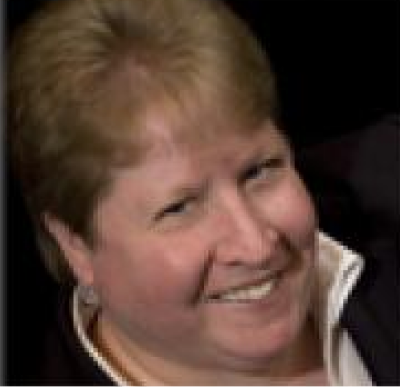
Marianne Duddy-Burke is a married lesbian Catholic mother who has served as the Executive Director of DignityUSA since 2007. A longtime leader within the organization, she also holds the honor of being the first woman elected as President, a role she held from 1993 to 1997. Marianne brings a wealth of life experience to her writing, with her perspective shaped by the intersection of her faith, her identity as an LGBTQ+ person and her commitment to social justice. Through her advocacy and leadership, she continues to champion the inclusion of all people within the Catholic tradition, tirelessly pursuing spiritual and institutional equity for the benefit of the Church and the world.


